Proper roof maintenance requires methodical debris removal to prevent waterdamage and extend shingle lifespan. Fall and spring cleanings presentparticular hazards for homeowners. Accidents during roof work accountfor over 30% of construction-related injuries annually. The followingprotocols establish a safe approach to this necessary task. Each stepprioritizes personal protection while ensuring thorough debris removal.The difference between proper technique and careless shortcuts oftendetermines whether the job ends with a clean roof or an emergency roomvisit.
Understanding the Risks of Roof Debris Accumulation
Neglect of roof maintenance poses significant threats to structuralintegrity and homeowner finances. Accumulated debris adds substantialweight to roofing structures, potentially increasing loads by up to 10%and compromising structural stability over time. This burden leads toaccelerated deterioration of roofing materials while creating idealconditions for moss and algae growth.
Debris-clogged gutters and downspouts prevent proper drainage,causing water accumulation that threatens roof integrity through leaksand rot. These moisture-related issues often manifest as internaldamage, with repair costs ranging from $5,000 to $30,000. Additionally,pest infestations become more prevalent as debris provides nestingopportunities for rodents and insects, further compromising roofstructures. Insurance carriers frequently increase premiums or denycoverage for homes with poor roof conditions, compounding the financialimpact of neglected maintenance.
Essential Safety Equipment for Roof Maintenance
Before attempting to remove roof debris, proper safety equipmentincluding a full-body harness with secure anchor points must be utilized to prevent falls. Ladders should be placed on stable, level ground with the appropriate 4:1 height-to-distance ratio from the building andsecured with stabilizers to prevent shifting. Weather conditions require careful monitoring, as high winds, rain, or lightning greatly increaseaccident risks during roof maintenance activities.
Safety Harness Essentials
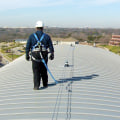
Securing proper safety equipment ranks as the most vital step whenperforming roof maintenance tasks. A full-body safety harness serves asthe primary fall protection system when working at heights of 6 feet ormore, as mandated by OSHA regulations.
The harness must fit properly, with the D-ring centered between theshoulder blades and leg straps adjusted snugly to prevent shiftingduring a fall. Workers must inspect harnesses before each use, checkingfor fraying, corrosion, or damaged stitching. Proper anchorage isequally important, with anchors required to support 5,000 pounds perworker.
Employers must provide extensive training on harness fitting,inspection, and usage in accordance with 29 CFR 1926.503. Regulartraining updates guarantee compliance with evolving safety protocols.
Proper Ladder Setup
Every roof maintenance task hinges upon a securely positioned ladder, making proper setup the cornerstone of worker safety. Ladders must beplaced on stable, level surfaces free of debris and set at a 4:1 angle(approximately 75.5 degrees) for ideal stability. The ladder shouldextend at least 3 feet above the roof edge to facilitate safe entry andexit.
Positioning requires maintaining minimum clearances—at least 3 feetfrom roof edges and 7 inches between rungs and any obstructions. Securethe ladder to prevent displacement, particularly on potentially slippery surfaces. Non-conductive materials like fiberglass are essential whenworking near electrical hazards.
Pre-use inspection remains critical; examine for structural integrity and stability before ascending. Regular maintenance of laddercomponents, especially slip-resistant feet, considerably reducesworkplace accidents during debris removal operations.
Weather Condition Awareness
Effective roof maintenance requires vigilant weather conditionawareness to complement proper ladder setup procedures. All roofmaintenance activities must cease immediately when thunder is audible,regardless of whether precipitation has begun, as lightning strikes canoccur without warning. Work should not resume until 30 minutes after the last observed lightning or thunder.
Precipitation presents additional hazards, creating slippery surfaces that increase fall risks. High winds may destabilize equipment andcompromise worker balance. Temperature extremes affect both physicalperformance and safety equipment efficacy. Cold conditions can reducedexterity, while excessive heat may cause fatigue and dehydration,impairing judgment.
Professionals must monitor weather forecasts before commencing roofcleaning operations and remain alert to changing conditions throughoutthe maintenance process. This vigilance forms a critical component ofthorough roof safety protocols.
When to Schedule Your Roof Cleaning
Determining the ideal timing for roof cleaning is essential formaintaining structural integrity and preventing costly damage. Industrystandards recommend cleaning every 2-3 years, with adjustments based onlocal climate conditions. Spring offers prime conditions for removingwinter debris and inspecting roofing materials, while fall cleaningprevents ice dams and removes fallen leaves before winter.
Weather conditions greatly impact cleaning effectiveness, requiringtemperatures well above freezing for at least four hours. Regionalfactors necessitate customized maintenance schedules: humid environments like Florida require more frequent attention due to accelerated algaegrowth, while urban areas may need cleaning every 2-3 years due topollution accumulation. Forested locations often demand annual orbiannual maintenance to address debris and sap buildup. Professionalcleaners typically recommend location-specific schedules based on thesevariables.
Assessing Debris Type and Quantity Before Starting
Prior to beginning roof cleanup, homeowners should identify thespecific types of debris present, including organic matter like leavesand branches or inorganic materials like windblown trash. Differentdebris types pose varying risks to roofing materials—leaf accumulationoften leads to moisture retention and eventual rot, while heavierbranches may cause immediate structural damage. Quantifying the debrisload through visual assessment of roof surfaces, gutter conditions, andconsideration of environmental factors such as nearby tree coverageenables proper preparation and selection of appropriate removal methods.
Debris Type Identification
Before removing leaves and other materials from a roof, homeownersshould identify the specific types and quantities of debris present.Accurate identification facilitates proper planning and tool selection.
Common debris categories include leaves, which frequently cloggutters causing water accumulation; twigs and small branches that maydamage roofing materials through punctures or abrasions; and pineneedles that create drainage issues similar to leaves. Homeowners should also note any fragments of roofing materials such as broken shingles or tiles, which may indicate underlying damage. Additionally, animalnests, bird droppings, and miscellaneous objects require consideration.
Assessment should include quantity evaluation, ranging from lightdebris (easily removable leaves or twigs) to heavy accumulations(substantial branches, dense leaf piles) or specialized materialsrequiring particular handling techniques. This initial evaluationguarantees appropriate safety measures and removal strategies.
Damage Risk Assessment
A thorough damage risk assessment serves as a critical precursor toany roof debris removal operation. Experts recommend initiating theevaluation from ground level using binoculars to minimize climbinghazards, while systematically documenting visible issues for insurancepurposes.
Assessment protocols should include quantifying debris volume,identifying large objects requiring special handling, and notingoverhanging branches that may necessitate trimming. Inspectors mustevaluate structural integrity indicators, checking for signs of weakness caused by debris accumulation patterns or water retention.
Safety considerations during assessment include identifying potential hazards such as power lines, ungrounded ladders, and adverse weatherconditions. When climbing becomes necessary, proper footing must beestablished with stable equipment while utilizing protective gear. Forcomplex situations involving significant accumulation or structuralconcerns, professional consultation aligns with OSHA guidelines for risk mitigation.
Step-by-Step Debris Removal Process
Establishing a methodical approach to roof maintenance begins with aclear step-by-step debris removal process. Professionals recommendadopting a sectional approach, starting from the roof's lower portionsand methodically working upward to prevent walking on potentiallyhazardous debris.
Implementation requires gentle strokes with appropriate tools such as roof rakes or soft brooms to minimize shingle damage. Debris should becollected in buckets or tarps rather than swept directly off the roof,maintaining controlled disposal that prevents scattering. Whensubstantial accumulation exists, a trash chute may be utilized whilemaintaining proper fall protection protocols.
Throughout the process, tools must be regularly inspected and cleaned to guarantee peak performance. Following completion, a thorough finalinspection confirms all material has been successfully removed,preserving roof integrity and preventing potential damage.
Gutter Maintenance and Its Relationship to Roof Health
Nearly every roofing professional acknowledges that functionalgutters serve as the first line of defense for maintaining peak roofhealth. These systems channel precipitation away from roofing materials, preventing water pooling that leads to premature deterioration ofshingles and underlayment.
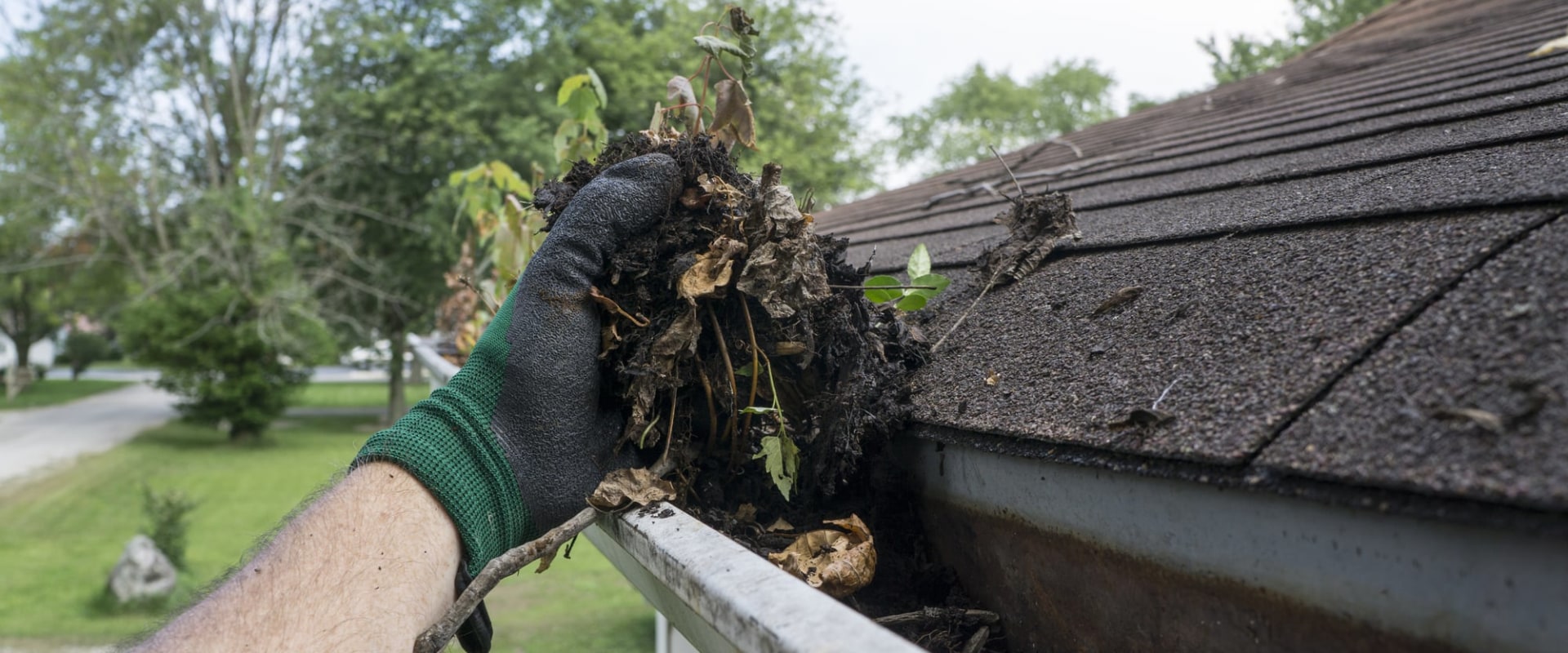
When gutters become clogged with organic matter, water overflowcompromises roof structural integrity through constant moistureexposure. This often results in wood rot, mold proliferation, andeventual leaks. Regular inspection and cleaning of guttersystems—particularly following seasonal foliage drops—prevents thesecostly outcomes.
Industry experts recommend quarterly gutter maintenance, installation of debris guards, and immediate repair of sagging sections.Professionals should be consulted for homes with complex rooflines orwhen working at dangerous heights, as fall risks pose significant safety hazards during maintenance operations.
Preventing Future Debris Buildup
Beyond regular gutter maintenance, proactive measures greatly reducefuture roof debris accumulation. Implementing a combination ofpreventative strategies is essential for long-term roof protection.Regular tree trimming minimizes the source of organic debris, whileinstalling gutter guards and downspout screens prevents entry intodrainage systems.
Seasonal inspections should be scheduled before periods of highdebris potential, such as autumn leaf fall or spring flowering. Roofsurface characteristics can be enhanced through the application ofspecialized coatings that reduce debris adhesion and improve runoff. For properties in heavily wooded areas, consider installing debris barriers or roof netting to intercept falling material before it settles on theroof surface. Climate-specific adaptations may be necessary, asdifferent environmental conditions present unique debris challengesrequiring tailored preventative approaches.
Signs Your Roof Needs Professional Attention
While many homeowners can manage routine debris removal, recognizingwhen professional intervention is necessary remains critical formaintaining roof integrity. Certain indicators warrant expertassessment: sagging roof sections, cracked or missing shingles, andvisible water stains on interior ceilings or walls. The presence of rust on metal components, particularly fasteners and flashing, suggestspotential structural compromise.
Popped nails, deteriorated sealants around vents and chimneys, orgranule loss from shingles indicate advancing degradation requiringprofessional evaluation. Additionally, homeowners should seek expertinspection after severe weather events when damage may not beimmediately apparent. Dark spots in attic spaces and mold growth oninterior surfaces often signal undetected water infiltration thatnecessitates thorough assessment. Professional roofers possess theexpertise to identify underlying issues that might escape untrainedobservation.
Seasonal Considerations for Roof Debris Management
As professional intervention addresses structural concerns, effective roof maintenance also depends on understanding seasonal patterns thataffect debris accumulation. Each season presents distinct challengesrequiring specific approaches to debris management.
Spring necessitates thorough cleaning to remove winter buildup, withparticular attention to moss and algae proliferation due to increasedmoisture. Summer inspections should identify potential damage from heatexpansion of roofing materials. Fall maintenance becomes critical asfalling leaves constitute the primary debris threat, requiring promptremoval to prevent gutter blockages. Winter preparations must guaranteeclear drainage pathways to mitigate ice dam formation from snowmelt.
Regional climate variations warrant customized maintenance schedules. Properties in heavily wooded areas require more frequent debrisremoval, while coastal regions may need additional attention to salt and moisture-related concerns.
Regular roof debris removal constitutes a critical maintenanceprocedure that extends roof lifespan and prevents structural damage.Adherence to proper safety protocols, including fall protection measures and appropriate tool selection, remains paramount throughout theprocess. Homeowners should monitor seasonal debris accumulation patterns and recognize when professional intervention becomes necessary.Implementing preventative strategies post-cleaning will greatly reducefuture maintenance requirements and associated safety risks.