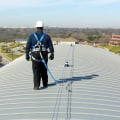
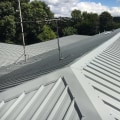
A commercial roof maintenance visit is more useful when the building owner receives a clear record of what was checked. For a fall drainage inspection, ask for a report that identifies locations, shows conditions, and assigns follow-up work rather than simply stating that the roof was cleaned.
Identify each drainage location
Ask the roofing contractor to mark inspected drains, scuppers, and gutters on a roof sketch or photograph. Give each location a consistent identifier so the next visit can refer to the same place. If the property has several roof sections, record which sections were included and which could not be accessed.
Our overview of commercial flat roof systems introduces common materials. The inspection scope should be matched to the actual system and its manufacturer’s requirements.
Ask for observations beyond visible debris
Carlisle’s fall drainage guidance highlights leaves around drain baskets, blocked scuppers, and gutters that may appear clear from below but do not drain freely. It also recommends checking for ponding evidence and visible concerns near seams and roof edges.
Ask the contractor to distinguish work completed during the visit from issues requiring further investigation. A photograph of a cleared outlet documents one condition; it does not establish that every part of the drainage system is functioning correctly.
Make the photographs useful
- Request a location overview and a closer image of each concern.
- Keep the inspection date and roof-area identifier with the photographs.
- Ask for a brief description of what changed during the visit.
- Record inaccessible areas and any limits on the inspection.
Have qualified personnel manage rooftop access and the inspection. The owner’s role can be organizing records and decisions without climbing onto the roof.
Close the follow-up loop
For each recommendation, record who will respond, whether a separate quote is needed, and the intended review date. Ask the contractor to explain any urgent findings directly instead of leaving them only in an attachment. Keep the report with earlier roof records so repeat conditions can be compared. A useful report leaves the property manager with specific next steps and clear responsibility for each one.